


 1300 937 223
Comprehensive Overview of Ukraine-Related Measures
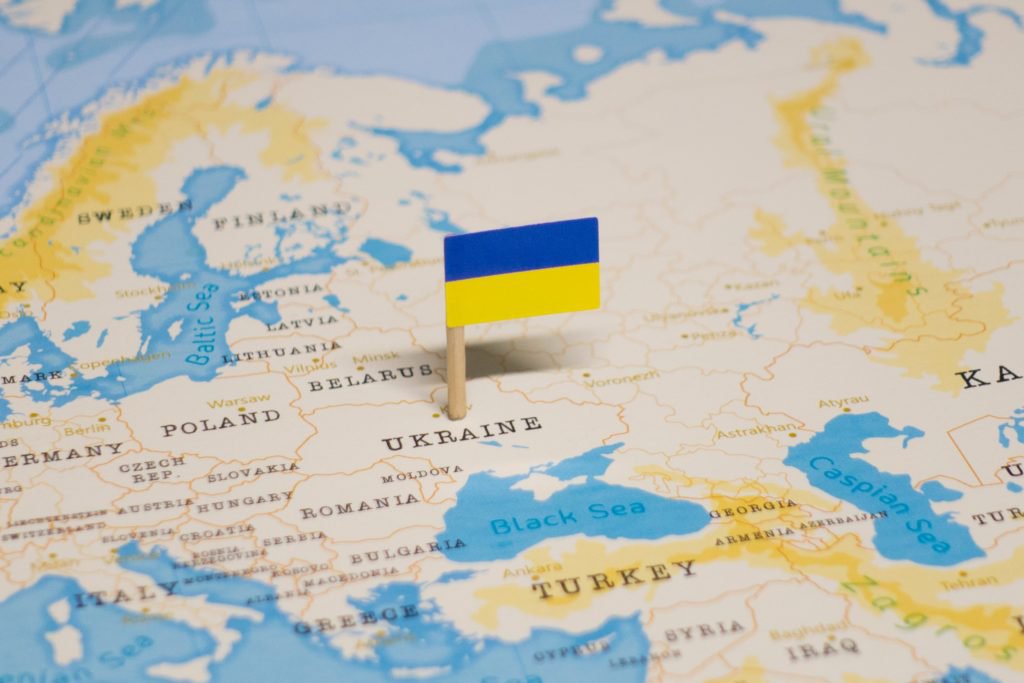
Comprehensive Overview of Ukraine-Related Measures
The ongoing conflict in Ukraine has prompted a range of responses from governments and organizations worldwide. These responses include sanctions, emergency aid, and regulatory frameworks aimed at addressing the crisis and supporting the Ukrainian people. This article delves into the various measures implemented, their implications, and their effects on the situation in Ukraine. To get detailed insights, refer to specific resources like information on Ukraine-related measures https://gonzalezreeds.com/wp-content/pgs/ukraine-related-measures-sanctions-and-regulatory-framework.html.

Introduction to Ukraine-Related Measures
Since the beginning of heightened tensions in Ukraine, particularly following Russia’s annexation of Crimea in 2014 and the conflict that ensued in the eastern regions, various countries have enacted measures to respond to the crisis. These measures are broadly focused on economic sanctions, diplomatic isolation of Russia, support for Ukrainian governance, and humanitarian aid for affected civilians. Understanding these measures is crucial for comprehending international relations and geopolitical dynamics in this context.
Economic Sanctions
Economic sanctions have been one of the primary tools used by nations in response to Russian aggression. Sanctions typically aim to deter specific behaviors through economic pressure. The measures include:
- Asset Freezes: Targeting individuals, entities, and sectors associated with the Russian government.
- Trade Restrictions: Limiting imports and exports with Russia, especially concerning military and dual-use goods.
- Financial Sanctions: Prohibiting certain transactions and access to international financial markets for specific banks and organizations.
- Sectoral Sanctions: Affecting key sectors of the Russian economy, such as energy, finance, and military technology.
These sanctions are periodically reviewed and updated based on the evolving situation on the ground and the effectiveness of previous measures in achieving their goals.
Humanitarian Assistance
Alongside sanctions, many governments and international organizations have provided humanitarian assistance to the Ukrainian people. This assistance includes:
- Food and Water Supply: Efforts to ensure access to basic necessities for those affected by the conflict.
- Medical Support: Provision of medical aid and support services to those injured or affected by violence.
- Displacement Services: Aid for internally displaced persons (IDPs) and refugees seeking safety in neighboring countries.
Humanitarian efforts have been critical in alleviating the immediate suffering caused by the conflict, highlighting the importance of global solidarity in times of crisis.
Regulatory Frameworks
Countries have also established regulatory frameworks to manage the economic fallout from the conflict and ensure compliance with sanctions. These frameworks help businesses navigate the complexities of operating in or with relations to Ukraine and Russia. Key components include:
- Compliance Guidelines: Clear instructions on how to adhere to sanctions and avoid penalties.
- Monitoring Mechanisms: Processes for tracking and reporting on business activities that may breach sanctions.
- Legal Frameworks: Updated legislation concerning international trade and investment that reflects the new geopolitical reality.
Such frameworks are essential in maintaining economic stability and promoting responsible corporate behavior amid ongoing tensions.
Impact on International Relations
The measures taken in response to the situation in Ukraine have wide-reaching implications for international relations. Countries aligning with Ukraine may strengthen alliances, while those supporting Russia face diplomatic isolation. The conflict has also sparked discussions on energy security, as Europe re-evaluates its dependency on Russian gas and oil.
Furthermore, the sanctions regime has led to innovative adaptations by impacted nations. This includes strengthening economic ties with non-Western nations and expanding trade relationships beyond traditional partnerships.
Future Pro
.jpg/9f016d5b-4808-ee83-c088-5eeccc99117d?t=1752663645301)
spects
Looking ahead, the nature of Ukraine-related measures will likely evolve based on the ongoing political and military landscape. Several factors will play a role:
- Negotiations and Peace Efforts: The success of diplomatic efforts to achieve a peaceful resolution will heavily influence the future of sanctions and aid.
- Humanitarian Needs: As the conflict progresses, the needs of the Ukrainian population may evolve, requiring adjustments in aid strategies.
- Global Geopolitical Changes: Shifts in international alliances and economic dynamics will shape the responses of key global players.
The international community’s commitment to supporting Ukraine and holding aggressors accountable will remain a central theme as the situation develops.
Conclusion
Ukraine-related measures represent a comprehensive international response to an evolving crisis. From economic sanctions to humanitarian assistance and regulatory frameworks, these measures reflect the complexities of global governance in the face of conflict. Understanding these aspects is crucial for anyone interested in international relations, peace studies, or the future of global cooperation.