

 1300 937 223
Is luck or skill more important in casino games?
The Role of Luck in Casino Games
Luck plays a significant role in many casino games, often determining the outcome in a single moment. Games like slots, roulette, and dice-based games rely mostly on chance, where players have minimal control over the results. For instance, in a game of roulette, the spin of the wheel and the bounce of the ball are unpredictable, making it purely a game of luck for those placing bets. Players can also enjoy other options such as fast payout online pokies australia , which add to the excitement and variety in their gaming experience. This randomness is what draws many players to these types of games, as the thrill of potentially winning big with a mere stroke of luck is exhilarating.
Moreover, luck is also intertwined with psychological elements in casinos. Players often experience a phenomenon called the “gambler’s fallacy,” which is the belief that past outcomes can influence future results. For example, if a player sees a certain number not hitting on a roulette wheel for several spins, they may feel it’s due to hit soon. This belief highlights how luck influences decision-making in the excitement of the moment, despite the fact that each spin is an independent event.
Additionally, the allure of luck is deeply rooted in the culture of gambling itself. Many players enter casinos with the hope that fortune will favor them, and the possibility of hitting a jackpot with a simple wager adds to the suspense. This element of surprise and uncertainty can be appealing, making these games a popular choice for people looking for entertainment rather than strategic gameplay. However, it’s important to remember that while luck can lead to big wins, it can just as easily lead to losses, emphasizing the fleeting nature of chance in gaming.
The Importance of Skill in Casino Games
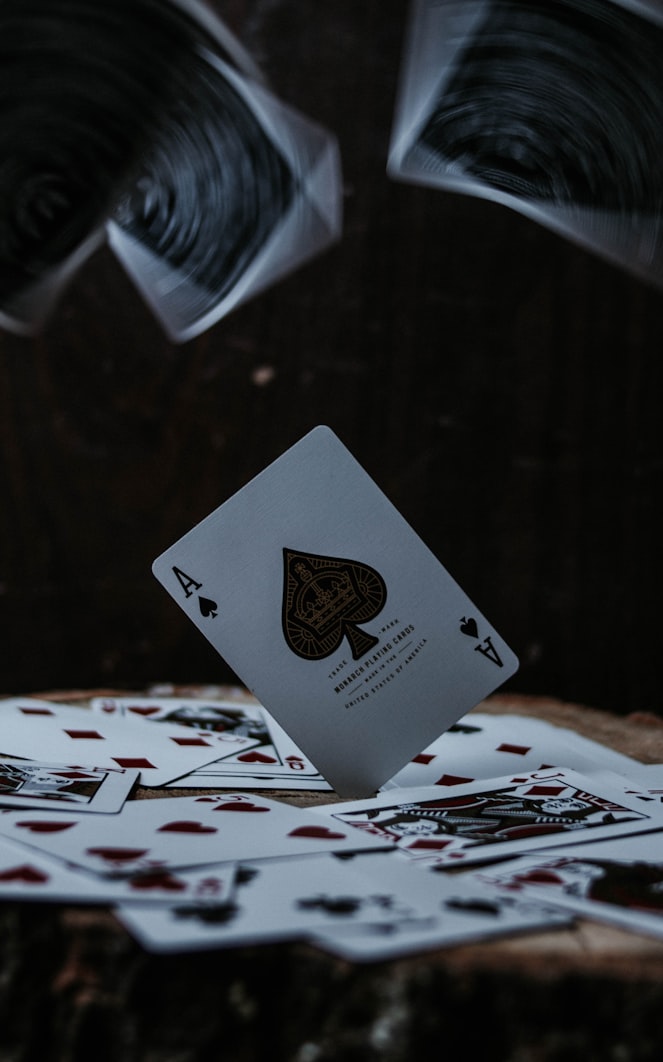
While luck is a significant factor in many casino games, skill plays a vital role in others. Games like poker, blackjack, and baccarat require a higher level of strategic thinking and decision-making. In poker, for instance, players must understand probability, psychology, and their opponents’ tendencies to succeed. A skilled player can outmaneuver less experienced players, demonstrating that skill can directly impact outcomes. Here, the ability to read situations and make informed decisions can tilt the odds in favor of the player.
Skill is also crucial in managing one’s bankroll effectively. Knowledgeable players know when to bet high or low and can implement strategies to maximize their chances over time. For example, in blackjack, understanding the basic strategy—knowing when to hit, stand, double down, or split—can significantly reduce the house edge. This strategic element creates a more engaging experience, as players feel they have the power to influence the game rather than being at the mercy of luck alone.
Furthermore, skilled players often cultivate a deep understanding of the games they play, learning advanced techniques that can enhance their performance. This level of expertise is typically developed through practice and analysis of in-game situations. For example, in poker, knowing how to bluff effectively or when to fold can be the difference between winning and losing significant pots. In this context, skill can be seen as a crucial factor that complements the element of luck, leading to a more nuanced understanding of casino gaming.
The Balance Between Luck and Skill
Determining the importance of luck versus skill in casino games is not a straightforward task, as both elements intermingle to create a unique gaming experience. In many games, luck may determine individual hands or rounds, but a player’s skill can influence outcomes over the long term. For instance, a skilled poker player may consistently perform better than an untrained one, even though luck will still play a role in specific hands dealt during play. This balance creates a thrilling dynamic where every player has the chance to succeed, regardless of their level of skill.
This interplay is especially evident in mixed games, where both luck and skill are necessary for success. In tournaments where players compete over several rounds, those with a combination of strategic understanding and the ability to adapt to fluctuating circumstances often emerge victorious. This reality underscores the idea that while luck can lead to short-term wins, skill often solidifies a player’s standing in the long run, making it essential for serious gamers.
Moreover, the reliance on both elements fosters a diverse player base in casinos. Casual players may enjoy the thrill of luck-based games for immediate gratification, while seasoned players may seek out skill-oriented games for a more strategic challenge. This variety enriches the casino experience, ensuring that there is something for everyone—whether they wish to chase their luck or hone their skills.
The Psychological Aspect of Luck and Skill in Gaming
The psychological component of gambling involves how players perceive luck and skill, affecting their betting behaviors and overall experience. Awareness of one’s own capabilities and the randomness of games can alter a player’s approach. For instance, novice players might underestimate the skill involved in strategy-based games, relying instead on luck, which could lead to frustration when outcomes don’t align with their expectations. Understanding the dual nature of luck and skill can empower players to make more informed decisions.
Additionally, the thrill of chance can lead to irrational beliefs about control over outcomes. Players might feel that they can influence luck through rituals or superstitions, leading to behaviors that are disconnected from reality. This psychological aspect can enhance the enjoyment for some as they engage with the games, but it can also pose risks, particularly for those who develop an unhealthy relationship with gambling, mistaking luck for skill or control.
Understanding the psychology behind gambling can greatly improve a player’s experience and performance. By acknowledging the importance of both luck and skill, players can approach casino games with a balanced mindset, focusing on enjoyment while being mindful of responsible gambling practices. This awareness can cultivate a healthier attitude toward gaming, ensuring that players enjoy their time while recognizing the inevitable uncertainties that come with gambling.
Discovering More About Gambling Strategies Online
For those interested in delving deeper into the strategies surrounding luck and skill in casino games, numerous resources are available online. Educating oneself on different strategies can vastly improve a player’s understanding of the games and enhance their overall gaming experience. Many websites provide comprehensive guides on various games, helping players learn about odds, strategies, and bankroll management techniques. This knowledge can empower individuals to make better decisions when playing, leading to increased enjoyment and potentially better outcomes.
Moreover, the online gambling community is vibrant and filled with discussions on best practices and emerging strategies. Engaging with other players in forums or social media platforms can provide invaluable insights into game mechanics, trends, and tips for honing skills. As players share their experiences and strategies, newcomers can learn from others, creating a supportive environment for growth and improvement.
Lastly, taking advantage of online tools and simulators can give aspiring players the chance to practice their skills without financial risk. These platforms allow players to experience the games in real-time while developing their strategies. By blending education with practical experience, players can strike a balance between luck and skill in their gameplay, positioning themselves for more effective and enjoyable gambling experiences in the future.